It happens to everyone at some point: you get in the car, turn the key, and... nothing. No response, a ticking sound, or an engine that cranks but doesn't start. A car that won't start can have several causes. In this blog, we'll guide you step-by-step in identifying and solving the problem.
Check the battery
The battery is one of the most common causes of starting problems. A flat or faulty battery will cause insufficient power to operate the starter motor and other electronic components.
Symptoms of a dead or weak battery
The dashboard light is dim or not on at all
The car makes a ticking sound when starting.
The electric windows and radio are not working
Causes of a dead or weak battery
Leaving lights or other electronic devices on accidentally
An old or worn-out battery (average lifespan: 3-5 years)
Extreme cold or heat affecting battery performance
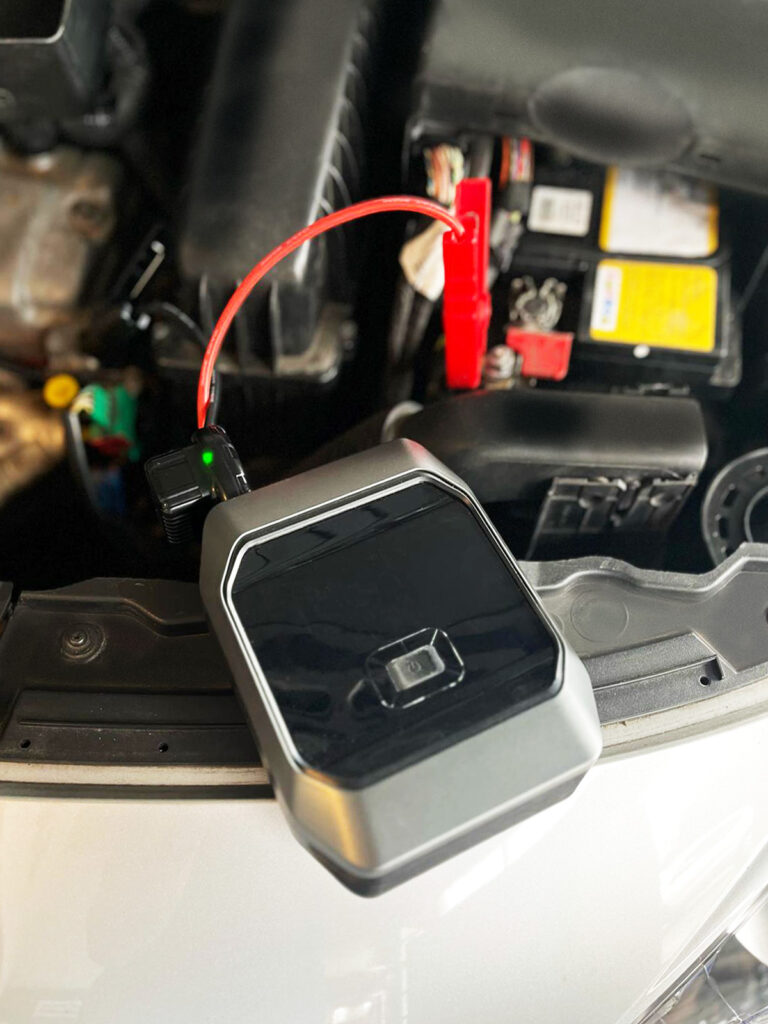
How to solve a dead battery?
Use a multimeter to measure the battery voltage (12.6V is ideal, below 12V is too low).
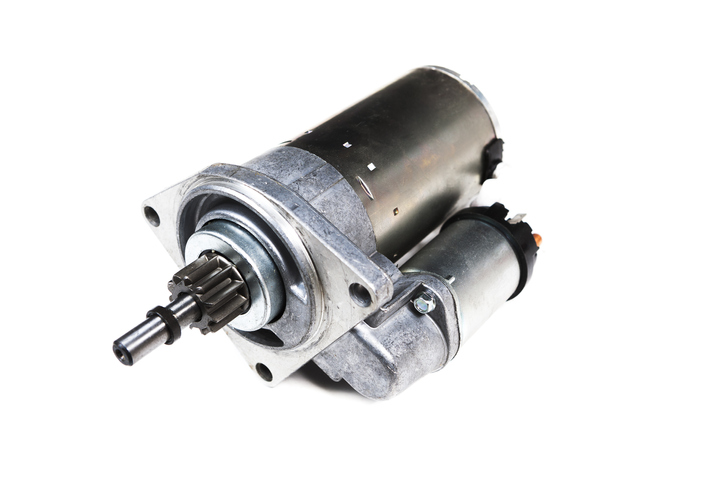
The starter motor is responsible for turning the engine over when starting. If the battery is working properly but the car doesn't start, the starter motor could be the problem.
Symptoms of a faulty starter motor
You hear a clicking sound when you turn the key, but the engine doesn't start
The lights work normally, but the engine won't turn over
Sometimes the car starts and sometimes it doesn't (intermittent fault)
Causes of a faulty starter motor
Wear and tear from old age
Defective relay or broken electromagnetic switch
Faulty wiring or loose connections
Solution for a defective starter motor
Gently tap the starter motor with a rubber mallet. to loosen stuck parts
Check the wiring and connections
If the problem persists, have the starter motor replaced
Check the fuel system
Without fuel, there's no combustion, and therefore no running engine. Problems in the fuel system can lead to starting problems.
Symptoms of fuel problems
The engine turns over but doesn't start
The car sputters when starting
Strong fuel smell around the car
Causes of fuel problems
Low fuel tank (happens more often than you think!)
Clogged fuel filter
Defective fuel pump
Solutions for fuel problems
Check if there is enough fuel in the tank
Replace the fuel filter if it is clogged
Listen for the fuel pump buzzing when you turn the key.
Check the ignition system
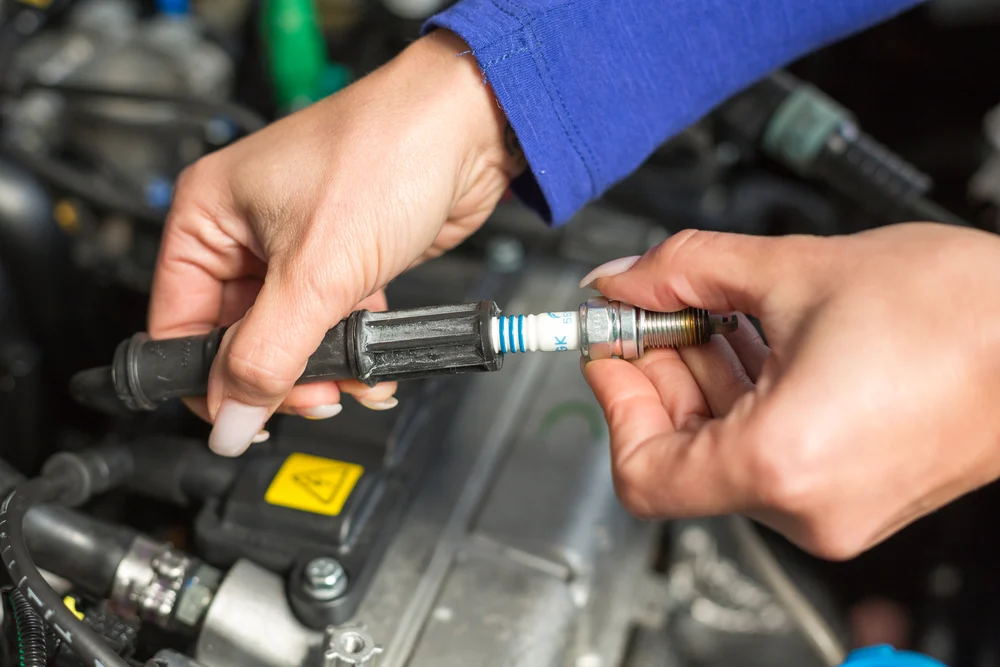
Problems with the spark plugs or ignition cables can cause the car not to start.
Symptoms of a faulty ignition system
The engine turns over but won't start
Irregular engine rotation when starting
Increased fuel consumption
Causes of a faulty ignition system
Worn or fouled spark plugs
Bad spark plug wires
Defective coil
Solution for a faulty ignition system
Check and replace spark plugs if necessary
Inspect the cables for damage
Inspect the immobilizer
Many modern cars are equipped with an immobilizer that prevents the engine from starting without the correct key.
Symptoms of a faulty immobilizer
The starter motor works but the engine doesn't start.
Immobilizer warning light is flashing
Solution for faulty immobilizer
Try a spare key
Have the system checked by the dealer.
Check the alternator
The alternator charges the battery while driving. A defective alternator will cause the battery not to be charged and eventually drain.
Solution for a defective alternator
Measure the voltage of the alternator
Replace the alternator if necessary
Other possible causes for a car not starting
Defective fuses
Broken crankshaft sensor
Problems with the gearshift position (automatic must be in P or N)
How to prevent startup issues in the future
Have the battery checked annually
Regularly check the fuel and ignition systems
Avoid short trips that don't fully charge the battery
Summary
If your car won't start, there could be several reasons. From a dead battery to a faulty starter motor or fuel supply issues. By following this guide, you can diagnose and fix common problems yourself.