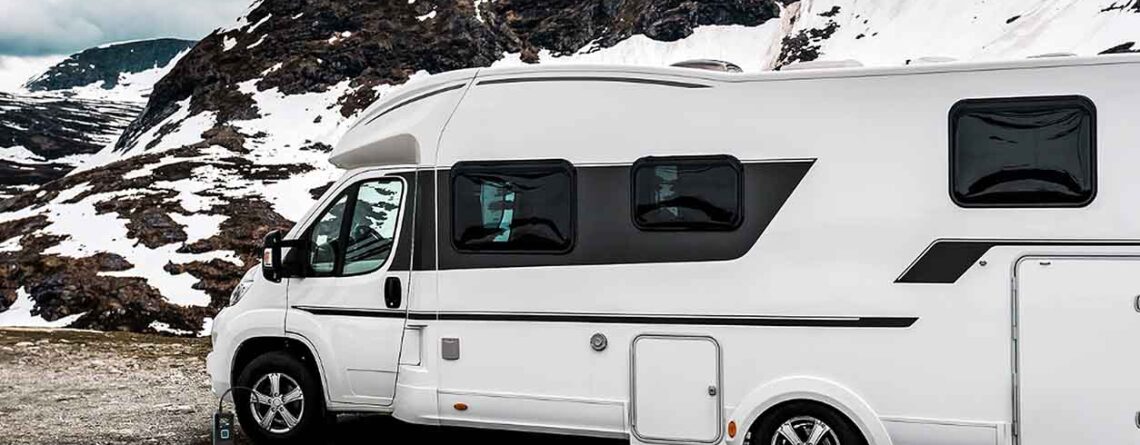
What is the correct tire pressure for a motorhome?
Black Rhinoceros2025-03-28T15:06:51+00:00Table of Contents
Why is proper tire pressure important?
The right Tire pressure for your RV is of great importance for your safety, driving comfort, AND fuel consumption. If the pressure is too low, the tires will deform more, leading to increased friction and heat buildup. This raises the risk of overheating and blowouts, especially on longer journeys or with heavy loads. Furthermore, this causes accelerated wear and significantly higher fuel consumption—something you'll definitely notice in your wallet on long camper trips.
A Tire pressure too high This is also disadvantageous: the tires become harder, which reduces comfort and deteriorates road contact. This can lead to less grip, especially in wet or slippery conditions.
A correct Tire pressure for your RV is therefore essential for safe driving, more fuel-efficient driving, and maximizing the life of your tires.

How do you determine the ideal tire pressure for your RV?
The ideal tire pressure for a motorhome depends on several factors which together ensure a safe and efficient ride. Please note the following points:
The total weight of the RV
Whether loaded or unloaded. Tire pressure must be adjusted to the actual weight of the vehicle. A heavily loaded RV requires higher tire pressure than when you’re driving with just a light weekend load.
The type of tires
Not all tires are the same. Take a close look at the specifications listed on the sidewall of the tire. There you’ll often find the maximum load and corresponding pressure. This information helps you determine a safe pressure that’s appropriate for both the type of tire and the load.
The manufacturer's recommendations
You can usually find this information in your RV’s owner’s manual or on a sticker on the inside of the driver’s door. Manufacturers base these guidelines on extensive testing and provide a good starting point for both front and rear tires.
As a general rule, the correct tire pressure for motorhomes is usually between 3.0 and 4.5 bar. However, this is only a guideline. Always check the exact recommended values for your specific vehicle, load, and tires to ensure safe and efficient driving.
Perhaps this table can help you determine the perfect tire pressure. Note: this is a general guideline. For exact values, you should always follow the instructions of the tire manufacturer and camper manufacturer.
Camper tire pressure guidelines – based on total weight
| Total weight of the motorhome (kg) | Tire type | Voltage (bar) | Rear tension (bar) |
|---|---|---|---|
| Up to 3,000 kg | C-band (RV/light truck) | 3,0 – 3,5 | 3,5 – 4,0 |
| 3,000–3,500 kg | C-band (reinforced profile) | 3,5 – 4,0 | 4,0 – 4,5 |
| 3,500–4,000 kg | CP tire (specifically for RVs) | 4,0 – 4,5 | 4,5 – 5,0 |
| Over 4,000 kg | Professional RV tire | Consult the manufacturer | Consult the manufacturer |
Camper tire pressure guidelines – based on axle load (precise measurement)
| Axle load per axle (kg) | Tire type | Voltage (bar) | Rear tension (bar) | Max. tire pressure (bar) |
|---|---|---|---|---|
| Up to 1,500 kg | C-band (light truck) | 3,0 – 3,5 | 3,5 – 4,0 | 4,5 – 5,0 |
| 1,500–1,750 kg | C-band (reinforced) | 3,5 – 4,0 | 4,0 – 4,5 | 5,0 – 5,5 |
| 1,750–2,000 kg | CP tire (specifically for RVs) | 4,0 – 4,5 | 4,5 – 5,0 | 5,5 – 6,0 |
| Over 2,000 kg | Heavy-duty RV tire / industrial tire | Consult the manufacturer | Consult the manufacturer | See tire specifications |
Step-by-step guide: Checking your tire pressure yourself
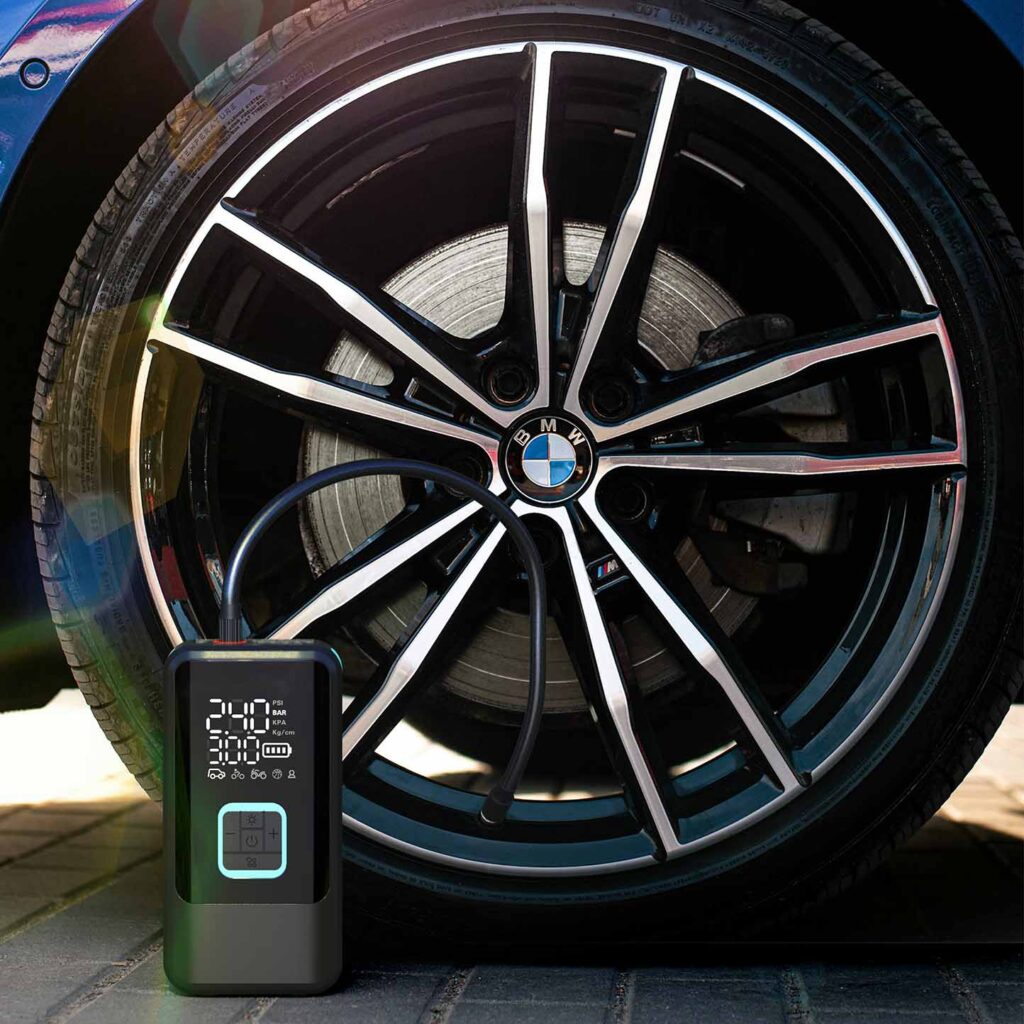
- Use a reliable tire pressure gauge – A digital gauge provides the most accurate results. We recommend using a digital tire pressure gauge with a compressor, such as the Black Rhino AeroBoost T-3 Auto Tire Inflator
- Measure the tire pressure when the tires are cold. – The tension increases when tires get hot, so measure them before departure.
- Compare the measured voltage with the recommended value – Is your tire pressure below the recommended level? Then add some air.
- Inflate the tires if necessary – Use a suitable compressor and check the pressure again after inflating.
- Do this every month and before every long drive – This will help you avoid unexpected problems along the way.

How does load affect tire pressure?
The load of your camper directly influences the required tire pressure. The heavier the camper is loaded—think full water tanks, gas bottles, bicycles, luggage, or passengers—the more weight rests on the tires. When you drive with low tire pressure while the camper is heavily loaded, you increase the risk of overheating, excessive wear, a blowout, or reduced handling.
If the tire pressure is too low, the tire deforms more, and as a result More heat builds up during driving. Prolonged load or high speeds can lead to damage to the tire structure or even tire failure. Furthermore, incorrect pressure also affects the Fuel consumption and steering precision.
Therefore, it is essential to check the tire pressure to adjust to the load condition of your RV. Preferably use weighbridge To accurately measure the axle load, and then adjust the tire pressure according to the tire and vehicle manufacturers’ guidelines. This will not only make your driving safer, but also more comfortable and fuel-efficient.
How often should you check tire pressure?
For every long drive
Always check your tire pressure before departure. This will help you avoid dangerous situations such as a blowout or reduced road handling on the road, especially at high speeds or with heavy loads.At least once a month
Even when you're not using your camper, tire pressure can slowly decrease due to natural leakage or temperature changes. Regular checks will extend the life of your tires and ensure safety.During strong temperature fluctuations
Cold air causes tire pressure to drop. When outside temperatures fall (for example, in the autumn or when traveling to mountainous areas), it is wise to check them more frequently and inflate them if necessary.
Common mistakes when checking tire pressure
Checking after a long drive
After driving, your tires are warm and the air pressure is temporarily increased. If you measure at that moment, you will get a distorted (too high) result. Therefore, always measure when cold, preferably before you leave.Forgot to check the tires on the drawbar or trailer
Many people forget to check the tires on a trailer. Yet trailers often carry a heavy load, and underinflated tires can just as easily lead to dangerous situations or unnecessary wear and tear.Waiting too long to replace tires
Older tires lose air pressure more quickly and are more prone to small tears, deformation, or blowouts. Even if the tread depth still seems adequate, tires that are more than six years old often need to be replaced—especially on RVs that are left parked for long periods of time.
Author

Histudy The standard chunk of Lorem Ipsum used since the 1500s is reproduced below for those interested.